Septic Inspections in Milford, PA
Buying or selling a home? We inspect the tank, components, and drain field and give you a clear written picture.
Inspections in Milford
A septic inspection tells you the true condition of a system before it becomes your problem — which is exactly why they matter when a mountain home changes hands. We inspect residential septic systems across the Poconos for home buyers, sellers, and owners who just want to know where they stand. We locate and open the tank, pump it if needed to see the bottom, measure the sludge and scum levels, check the baffles, lid, and risers, inspect any pump and float controls, run water to see how the system handles flow, and evaluate the drain field for signs of failure like soggy ground or surfacing effluent. You get a clear rundown of what is good, what is aging, and what needs attention — the honest information you need to buy with confidence, sell without surprises, or budget for the work ahead.
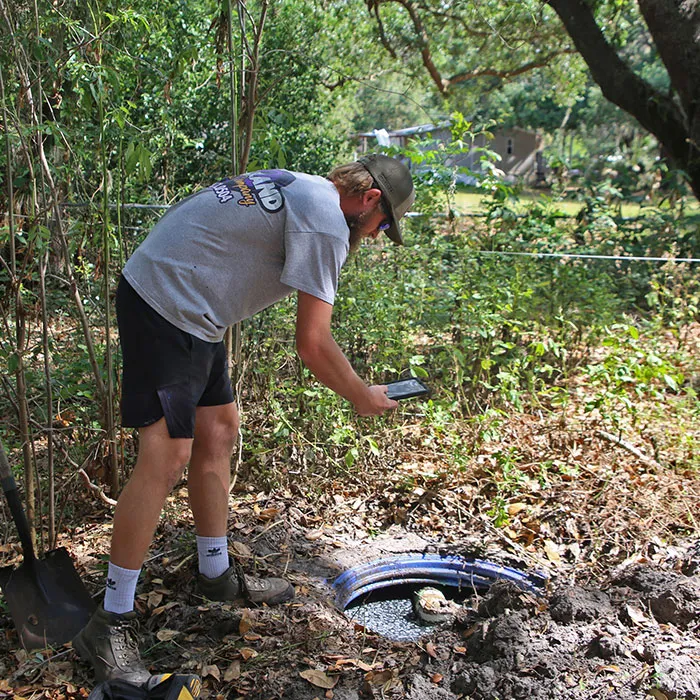
Septic service in Milford
Milford is the seat of Pike County, a historic borough on the Delaware River known for Grey Towers National Historic Site and the Upper Delaware scenic corridor, with a walkable downtown of long-standing homes and businesses. The borough core has some sewer, but many of Milford’s older homes and nearly all of the surrounding township country run on septic — the properties out through Milford Township, Dingman, and the wooded lots climbing away from the river. We pump, clean, repair, and inspect residential septic systems throughout the Milford area. The older borough systems are much of the story here: homes near the historic downtown with tanks that have been in the ground for generations, often undersized and with no service record. Add tourism traffic from the Grey Towers and Delaware River draw, seasonal and second homes along the scenic corridor, and rocky, sloping soil near the river, and you have systems that need a straight look before trouble starts. We know historic Milford, how its older homes and the river corridor handle a system, and how to find and service a tank without tearing up a yard. Tell us where your tank is and we’ll give you a straight answer and a real price.
- Full inspection for buyers, sellers, and owners
- Tank located, opened, and sludge/scum levels measured
- Baffles, lids, risers, and pump controls checked
- Flow tested by running water through the system
- Drain field walked for soggy ground and surfacing effluent
- Clear written summary of condition and any needed work
Need inspections elsewhere? See all of our Milford services or inspections across The Poconos.
Inspections in Milford
Tell us what’s happening and we’ll call you back — local Milford service.
Areas We Cover in Milford
In town or up a lake road — if it’s in or around Milford, we come to your property.
- Milford Township
- Dingman Township
- Matamoras
- Westfall
- Twin Lakes
- Sawkill
Common Septic Issues in Milford
The septic problems we see most around here — and how we handle them.
Older borough systems
Milford’s historic downtown and the streets around it have homes with septic tanks that have been in the ground for generations, often undersized for a modern household and with no record of the last service. These older systems need pumping and an honest look at the tank and baffles before a small problem turns into a field failure.
Seasonal homes along the river corridor
The Upper Delaware scenic corridor draws seasonal and second homes that sit quiet then fill with a full house for a weekend on the river. That empty-then-full pattern is easy to forget, so a system can go neglected right up until there’s a problem during a stay.
Rocky, sloping soil near the Delaware
Lots climbing away from the river run to rock and slope, which leaves a drain field working in tough ground that saturates after a wet stretch. Keeping the tank pumped and runoff diverted away from the field is the best protection here.
Inspections in Milford — FAQs
Do you cover Milford and Pike County?
I own an older home in historic Milford — how do I know my tank is okay?
My drains are slow after heavy rain — is that the septic?
Do I need a septic inspection when buying a home?
Will you pump the tank during the inspection?
How long does an inspection take and what do I get?
Also Serving Near Milford
Need Inspections in Milford?
Call now for a fast quote — we come to your property, and backups and emergencies get priority.